
Nerds at Work...
ALM and Resistance
About 60% of ALM patients have CDK4/6 gene mutations, but a recent CDK4/6 inhibitor clinical trial showed limited improvements and suggested that the cancer developed resistance. Led by senior research scientist Kasturee Jagirdar, the Rebecca Lab identified two resistance mechanisms: hyperactivation of MAPK signaling, which drove upregulation of Cyclin D1. Pairing the CDK4/6 inhibitor with a MAPK pathway inhibitor was more effective than either drug alone.
Also, CDK4/6 protein expression in ALM cells correlated poorly with predictions based on the genetic mutations, suggesting that ALM patients may need protein expression testing, not just tumor sequencing, to evaluate the likely benefits from CDK4/6 inhibitors.

.jpg)
.jpg)
.jpg)
.jpg)
Acral Melanoma and Age Biology
Acral melanoma is a rare subtype of melanoma that primarily arises on the palms of the hands, soles of the feet, or under the nails, and is especially prevalent in individuals with darker skin. Notably, this aggressive skin cancer tends to have worse outcomes for older patients compared to younger individuals, likely due to factors such as decreased immune response and the accumulation of comorbidities that can complicate treatment. Studies utilizing experimental models, such as the Boyden chamber and scratch assays, have demonstrated that acral melanoma cells conditioned with media from aged fibroblasts exhibit increased invasive properties compared to those conditioned with media from younger fibroblasts. This suggests that the tumor microenvironment, influenced by age-related changes in fibroblast behavior, significantly contributes to the aggressiveness of acral melanoma in older populations.
Role of Cathepsin K in Acral Lentiginous Melanoma Progression and Therapy Resistance
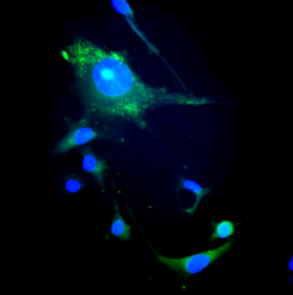
The tumor microenvironment plays a critical role in therapy resistance and metastasis in acral lentiginous melanoma (ALM). A key aspect of this research is Cathepsin K (CTSK), a lysosomal enzyme with type I collagenolytic activity involved in the breakdown of extracellular matrix proteins. Cathepsin K has been linked to invasion and metastasis in cancers such as cutaneous melanoma, bone, breast, and lung cancers; however, its role in ALM progression and therapy resistance remains unclear. Given the enzyme's ability to degrade type I collagen—which cancer cells can exploit to promote metastasis—and the high density of type I collagen in the plantar skin microenvironment, this research explores the hypothesis that Cathepsin K drives metastatic activity in ALM within the foot tumor microenvironment. Understanding this relationship could provide insights into ALM progression and uncover potential therapeutic strategies.